Description
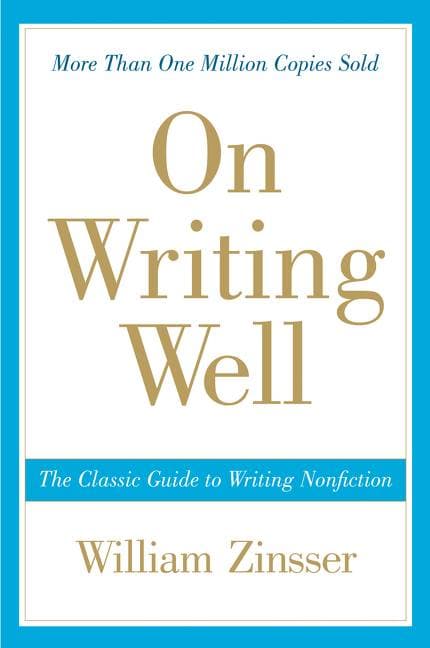
"On Writing Well is a bible for a generation of writers looking for clues to clean, compelling prose." –New York TimesA beloved classic, this definitive volume on the art of writing nonfiction celebrates its thirtieth anniversary. On Writing Well, which grew out of a course that William Zinsser taught at Yale, has been praised for its sound advice, its clarity, and for the warmth of its style. It is a book for anybody who wants to learn how to write or who needs to do some writing to get through the day, as almost everybody does. Whether you want to write about people or places, science and technology, business, sports, the arts, or about yourself in the increasingly popular memoir genre, On Writing Well offers you both fundamental principles as well as the insights of a distinguished practitioner. With over a million copies in print, this volume has stood the test of time and remains a valued resource for writers and would-be writers.“On Writing Well belongs on any shelf of serious reference works for writers.” — New York Times“Not since The Elements of Style has there been a guide to writing as well presented and readable as this one. A love and respect for the language is evident on every page.” — Library JournalOn Writing Well, a classic guide to writing nonfiction, has been praised by educators and students for its sound advice, its clarity and the warmth of its style. Whether students need to write about people or places, science and technology, business, sports, the arts or about themselves, On Writing Well offers students fundamental principles as well as the insights of a distinguished writer and teacher. The 30th anniversary edition contains three new chapters and many new passages that place new emphasis on the writer’s voice and on issues such as intention, character, and making decisions. While still covering all of the basics, Zinsser includes a new chapter entitled “Enjoyment, Fear, and Confidence,” which urges to convey zest for what they are writing about and to overcome their anxieties by trusting their natural intelligence. Another chapter, “The Tyranny of the Final Product,” advises students not to visualize their completed articles but to focus on the decisions of selection, organization, and tone that will ultimately lead them to their final draft.William Zinsser Bio:William Zinsser is a writer, editor and teacher. He began his career on the New York Herald Tribune and has since written regularly for leading magazines. During the 1970s he was master of Branford College at Yale. His 17 books, ranging from baseball to music to American travel, include the influential Writing to Learn and Writing About Your Life. He teaches at the New School in New York.