No variants available in Vietnam (VND).
Description
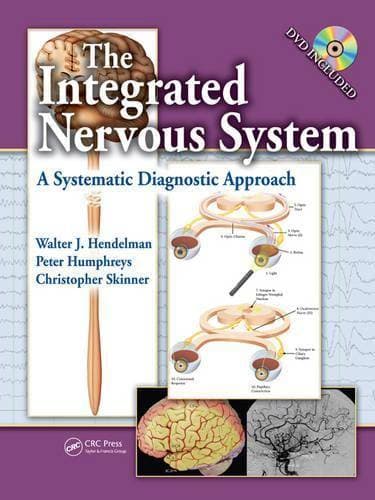
The First Textbook to Take an Integrative Approach to Neurological Diagnosis This introductory, full-color text teaches students and practitioners how to combine neurological history and physical examination so they can localize pathologies within the nervous system and determine appropriate treatment. It provides a wealth of illustrations that emphasize the functioning nervous system, in addition to an invaluable DVD for further exploration and access to a state-of-the-art website with additional materials that are updated periodically. Give Practitioners the Confidence to Differentiate, Diagnose, and Build Treatment Plans Provides a wealth of illustrations that emphasize the functioning nervous system Neuroanatomical drawings related to case studiesInformative tables with relevant clinical dataRadiographic images, EEGS, microscopic images, and other diagnostic tools Includes an invaluable DVD for further exploration User-friendly worksheets to provide a proven methodology for evaluationAll color illustrations from the bookFlash animations of various pathways, reflexes, and circuitsNeuroimaging primer to boost understanding of CT and MRI sequencesSupplementary e-cases and diagnostic imagesA wealth of references for self-guided study Offers access to a state-of-the-art website All of the features on the DVDAdditional supplementary materials to be added periodically Demystifies Neurological Problem Solving Section I: Covers the Basics of Neurological Problem Solving Provides a full synopsis of the nervous systemExplains key aspects of the neurological examinationDelves into clinical problem solvingIncludes a Fail Safe Localization/Etiology ChecklistCovers lesions caused by trauma, muscle diseases, genetic and degenerative diseases, vascular problems, drugs and toxins, infections, and autoimmune disorders Section II: Applies the Basics to Clinical Cases Presents full case examinations of a nine-member fictional familyDemonstrates clinical data extraction, definition of main clinical points, relevant neuroanatomy, and the localization processCovers a wide range of disease processes, including spinal cord syndromes and traumas, vascular injury, and seizuresDetails autoimmune, neoplastic, degenerative, and genetic disordersDifferentiates between various causes of seizures, stroke, and ParkinsonismProvides complete case summaries, treatment, management, and outcomes Table of ContentThe Learning ContractTHE BASICS OF NEUROLOGICAL PROBLEM SOLVINGThe Neurological Examination Clinical Problem Solving APPLYING THE BASICS TO CLINICAL CASESFifi Clinical Data ExtractionThe Main Clinical PointsRelevant NeuroanatomyEtiology: Fifi’s Disease ProcessSummaryAdditional informationInvestigationsTreatment/OutcomeCletus Clinical Data ExtractionThe Main Clinical PointsRelevant NeuroanatomyLocalization ProcessSpinal Cord SyndromesEtiology: Cletus’s Disease ProcessCase SummaryCase EvolutionBernardClinical Data ExtractionReview of the Main Clinical PointsRelevant NeuroanatomyLocalization ProcessEtiology: Bernard’s Disease ProcessCase SummaryEvolution of the CaseInvestigationsTreatment, Management and OutcomeBobo Solving the Clinical ProblemThe Main Clinical PointsRelevant Neuroanatomy and NeurochemistryLocalization ProcessEtiology: Bobo’s Disease ProcessCase SummaryApproach to the Investigation of Patients with Parkinsonism/DystoniaBobo’s InvestigationsTreatment/OutcomeEtienne Clinical Data ExtractionThe Main Clinical PointsRelevant Neuroanatomy and PhysiologyLocalization ProcessEtiology: Etienne’s Disease ProcessCase SummaryCase EvolutionArmand Clinical Data ExtractionThe Main Clinical PointsRelevant Neuroanatomy, Physiology and PathophysiologyLocalization ProcessEtiology: Armand’s Disease ProcessCase SummaryCase EvolutionDidi Clinical Data ExtractionThe Main Clinical PointsRelevant NeuroanatomyLocalization ProcessEtiology: Didi’s Disease ProcessCase SummaryAdditional InformationInvestigationsTreatment/OutcomeChantal Clinical Data ExtractionReview of the Main Clinical PointsRelevant NeuroanatomyLocalization ProcessEtiology: Chantal’s Disease ProcessCase SummaryEvolution of the CaseInvestigationsDiagnosis, Management and OutcomeMickey Clinical Data ExtractionThe Main Clinical PointsRelevant Neuroanatomy and NeurochemistryLocalization ProcessEtiology: The Nature of Mickey’s DisorderCase SummaryAdditional InformationInvestigating and Treating Mickey’s DisorderSUPPLEMENTARY CONSIDERATIONS: REHABILITATION AND ETHICSNeurorehabilitation Neuroethics Review QuoteAlthough written for a problem-based learning (PBL) curriculum, The Integrated Nervous System is an appropriate supplementary text for any clinically-based neuroscience course or an excellent reference book. The DVD contains all the illustrations in the text, animations of reflexes and neuronal pathways, additional case studies, worksheets for the clinical cases, and information on neural imaging. Suggested readings are in the form of journal articles listed at the end of each chapter. Also, an annotated bibliography, organized by topic and with a synopsis of each entry, is found at the back of the book. A helpful glossary is also included. —The Internet Journal of Allied Health Science and Practice, 2010Biographical NoteWalter J. Hendelman, MD, is a leading neuroscientist on the Faculty of Medicine at the University of Ottawa. He is also the author of Atlas of Functional Neuroanatomy, Second Edition (CRC Press, 2006). Peter Humphreys, MD, FRCP[C], is a pediatric neurologist at the Children’s Hospital of Eastern Ontario. He teaches medical students and residents and also continuing medical education (CME) courses. Christopher Skinner, MD, FRCP[C], is an adult neurologist at The Ottawa Hospital in Ontario. He teaches medical students, residents, physician assistants, and military flight surgeons in addition to CME courses.